 Šibenik Hub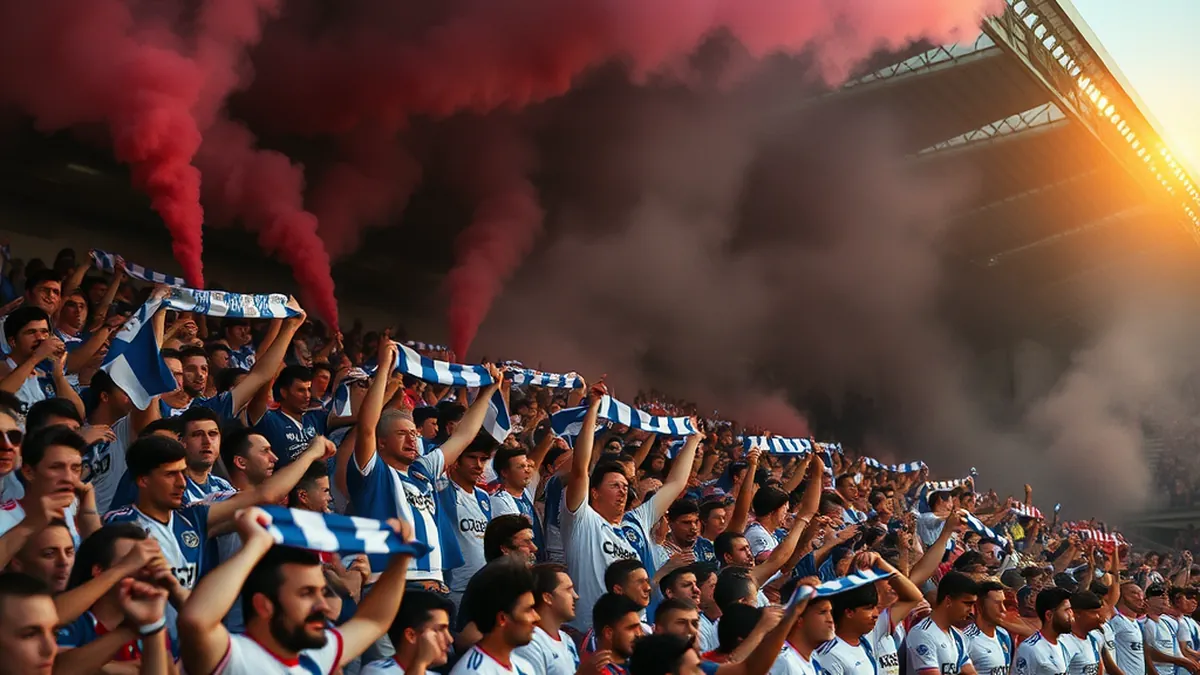
Tradition in the Stands
Šibenik, a city proud of its football heritage, boasts a unique fan culture rooted in deep respect for tradition. The Narančasti, as the local club is known, have loyal supporters who are renowned for their passionate backing and unwavering loyalty. Fans come to matches not just for the football but for the sense of community felt among supporters and players alike.
Pre-Match Ritual
One of the most beautiful rituals that takes place before each match is the gathering of fans outside the stadium. Here, songs celebrating the club's achievements, as well as those dedicated to rivals, especially RNK Split, can often be heard. This pre-match gathering creates a sense of togetherness and excitement that carries into the stadium itself. Narančasti scarves and flags flutter in the air, while the sound of drums and chants echoes through the streets of Šibenik.
Derby Atmosphere
When Šibenik plays against RNK Split, the atmosphere in the stadium reaches a whole new dimension. This derby, known for its intensity and rivalry, attracts fans from across the region. The sounds of chanting, cheers, and the occasional smoke bomb create an unforgettable scene that is hard to describe in words. Šibenik fans spare no voice, and their energy often transfers to the players, who feel that support and give their all on the pitch.
Post-Match Ritual
After every match, regardless of the outcome, fans gather to pay tribute to their players. This tradition includes singing together and celebrating, often featuring performances from local bands to keep the atmosphere jubilant. This ritual further strengthens the bond between the club and its supporters, creating a sense of community and belonging.
Conclusion
The fan culture in Šibenik is not just about football; it is a way of life. The Narančasti are more than a club; they are a symbol of community, tradition, and passion. Always with pride and heart, the people of Šibenik continue to nurture their fan customs, ensuring that future generations inherit this rich culture.