 Šibenik Hub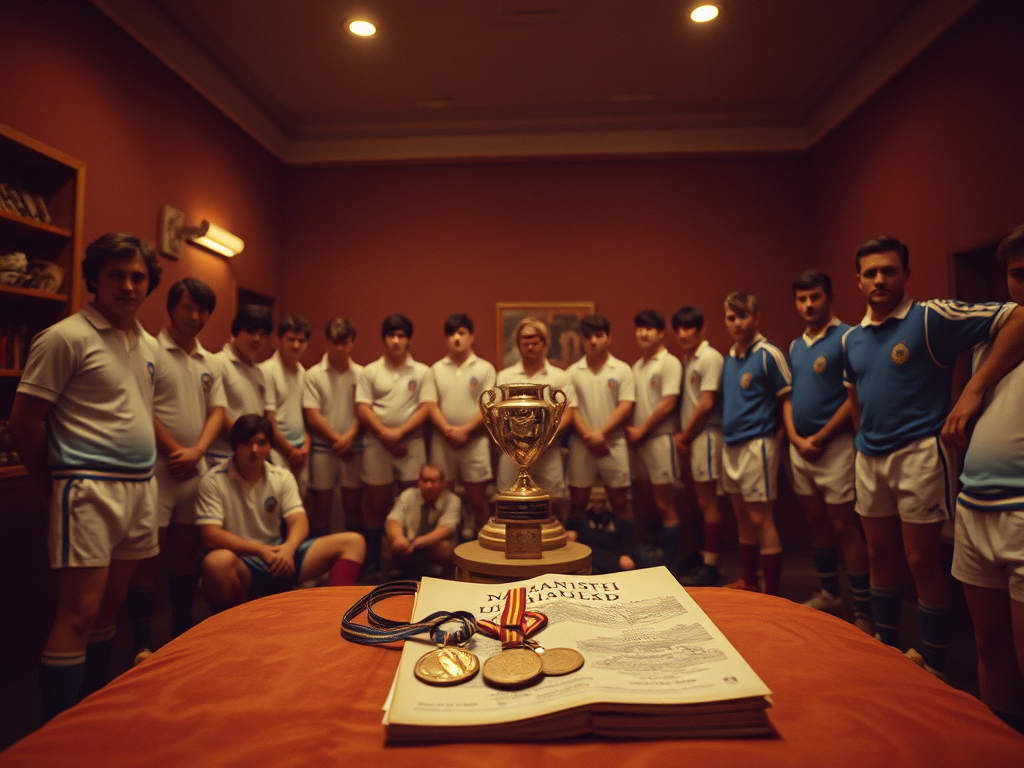
The 1960s marked a pivotal decade for Šibenik as the club began to establish itself in the Croatian football scene. While previously known as a modest team, the Narančasti began to embrace a new identity, driven by a mixture of local talent and emerging strategies that would soon propel them into the spotlight.
During this transformative period, Šibenik experienced a surge in support from the local community, as fans began flocking to the stadium to witness the dynamic football that the team was showcasing. The blend of skillful play and a fighting spirit resonated with the people of Šibenik, creating a sense of pride that would last for generations. As the club began to rise through the ranks, it became a source of hope and inspiration for many in the town, uniting them through their shared passion for football.
One of the most notable figures of this era was coach Branko Zebec, who played a crucial role in shaping the team's philosophy and tactical approach. Under his guidance, Šibenik adopted a more aggressive style of play that emphasized teamwork and fluid attacking movements. This not only attracted local talents but also began to turn heads beyond the city, as Šibenik started to gain recognition for its attractive footballing style.
The club's commitment to nurturing local talent was evident during this decade, as young players from Šibenik and its surroundings were given the opportunity to shine on the pitch. The emergence of players who would later become legends of the club, such as Ante Šimundža and Mladen Kovačić, further solidified the club's reputation as a breeding ground for footballing talent. The local youth became enamored with the prospect of donning the Narančasti jersey, knowing they could aspire to greatness without leaving their hometown.
As Šibenik climbed the ranks of Croatian football, their rivalries grew stronger, particularly with RNK Split. The matches against Split were not just games; they became historic encounters that captured the imagination of fans. The atmosphere in the stadium during these derby matches was electric, with passionate supporters creating an unforgettable backdrop that echoed the intensity of the competition.
The decade culminated in a series of successful campaigns, establishing Šibenik as a team that could compete with the best in the country. While the club would face challenges in the years to come, the foundation laid during the 1960s would prove to be crucial for future generations. This period not only shaped the identity of Šibenik as a football club but also deepened its roots within the community, fostering a bond that still thrives today.
In reflecting on this era, it is clear that the 1960s were instrumental in the evolution of Šibenik into a respected name in Croatian football. The passion, energy, and commitment exhibited by both players and fans during this time laid the groundwork for the club's future achievements and ensured that the spirit of Narančasti would endure for decades to come.